James La Greca
I am a PhD candidate in earthquake geology at the University of Melbourne.
My research interests are earthquake geology, paleoseismology and seismology — in particular, how we model faults in seismic hazard assessment, earthquake processes and rupture behaviour. My PhD research is on rupture behaviour, slip rates and earthquake recurrence on the Alpine Fault and interacting fault systems, South Island, Aotearoa New Zealand. I plan to submit my thesis in May 2027. I also work part-time as a consultant with the Seismology Research Centre.
Education
PhD (Earthquake Geology)
The University of Melbourne
2023 – present
Thesis: Rupture behaviour, slip rates, and earthquake recurrence on the Alpine Fault and interacting fault systems, South Island, New Zealand.
Supervisors: Professor Mark Quigley, Dr. Robert Langridge, Dr. Samuel Boone
Master of Science (Earth Sciences)
The University of Melbourne
2021 – 2022
Thesis: Earthquake environmental effects and Bayesian analysis of ground motion models using chimney fragility curves, 2021 Mw 5.9 Woods Point earthquake, southeast Victoria, Australia.
Supervisor: Professor Mark Quigley
Bachelor of Science (Geology)
The University of Melbourne
2017 – 2020
Student representative for the Staff and Student Liaison Committee.
Experience
Earthquake Scientist / Seismologist
Seismology Research Centre
2026 – present, part-time consulting
2023 – 2024, part-time
2022, six-month internship
My work at the SRC has involved locating Australian earthquakes, undertaking fieldwork to investigate potential neotectonic faults, and determining geological inputs (e.g. slip rates, fault dip) for probabilistic seismic hazard assessments for critical infrastructure.
Earthquake Hazard Scientist
Geoscience Australia
2025 – 2026, part-time
I worked on fault source models for the National Seismic Hazard Assessment, and helped review probabilistic seismic hazard assessment (PSHA) projects according to International Atomic Energy Agency (IAEA) guidelines. I also started a project mapping active fault sources in Gippsland.
Demonstrator / Teaching Assistant
The University of Melbourne
2021 – 2026
- Understanding Planet Earth (1st year; 2023–2026): semester-long practical sessions and a week-long field trip to south-eastern Victoria, teaching the foundations of geology.
- Geology of Gold (Master’s; 2024, 2025): field trip to gold mines in north-western Victoria.
- Hydrogeology & Environmental Geochemistry (Master’s; 2024): field trip through western Victoria to Mount Gambier on the controls on southeast Australian lake geochemistry.
- Applied Geophysics (3rd year; 2021): practical sessions on gridding, processing and filtering geophysical data in Oasis montaj.
Research and Technical Assistant
The University of Melbourne (consultancy for Melbourne Water)
2021
Two Multichannel Analysis of Surface Waves (MASW) geophysical surveys to determine shear-wave velocity in the upper 30 m (Vs30), informing earthquake hazard assessments at two of Melbourne’s reservoirs.
Service
- VUEESC × GESSS 2026, organising committee (webmaster and programs): Victorian Universities Earth and Environmental Sciences Conference and GSA Earth Science Student Symposium.
- Geological Society of Australia, Victoria Division: committee member and webmaster (2024 – present); University of Melbourne student representative (2024 – 2025).
- Earth Sciences Postgraduate Group: designed and built the group’s website, espg-gsa.org (2026).
Awards
- Dean’s Honours List, The University of Melbourne (2023)
- D. E. Thomas Medal – Highly Commended, Geological Society of Australia, Victorian Division (2023)
- John Lovering Prize, The University of Melbourne (2023)
- Rowden White Scholarship, The University of Melbourne (2023)
- P. J. Adams Award, The University of Melbourne (2021)
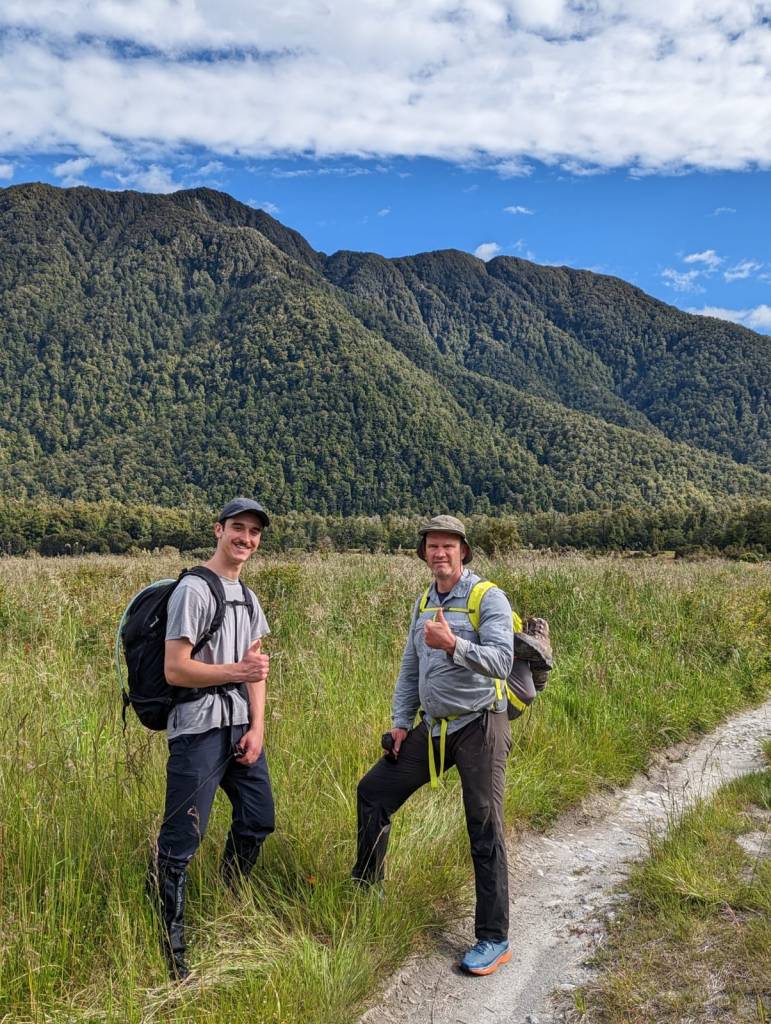
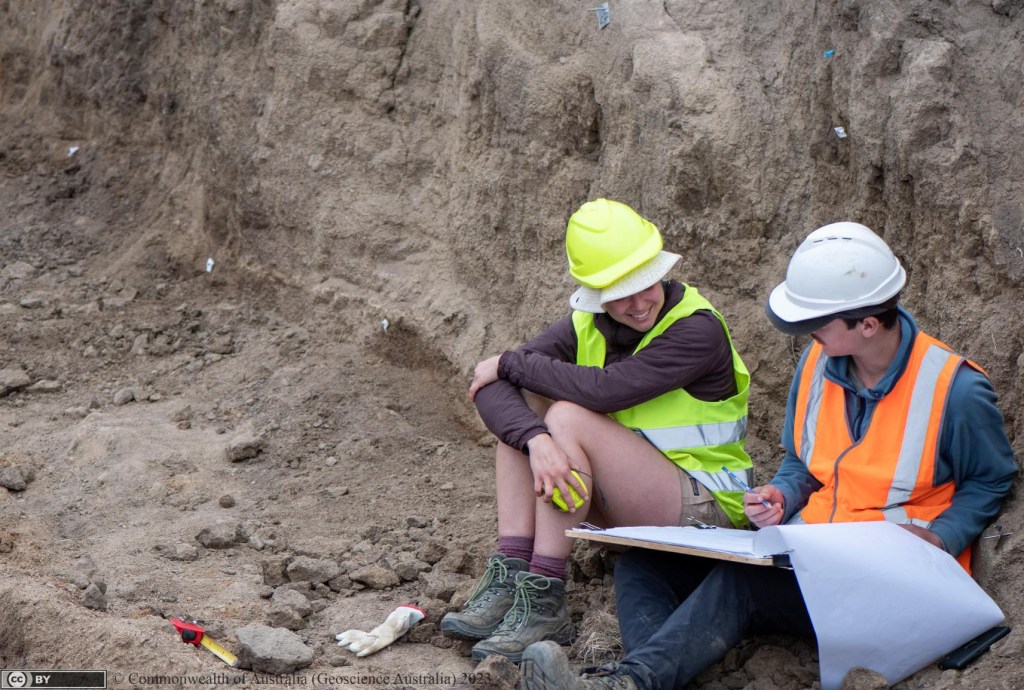
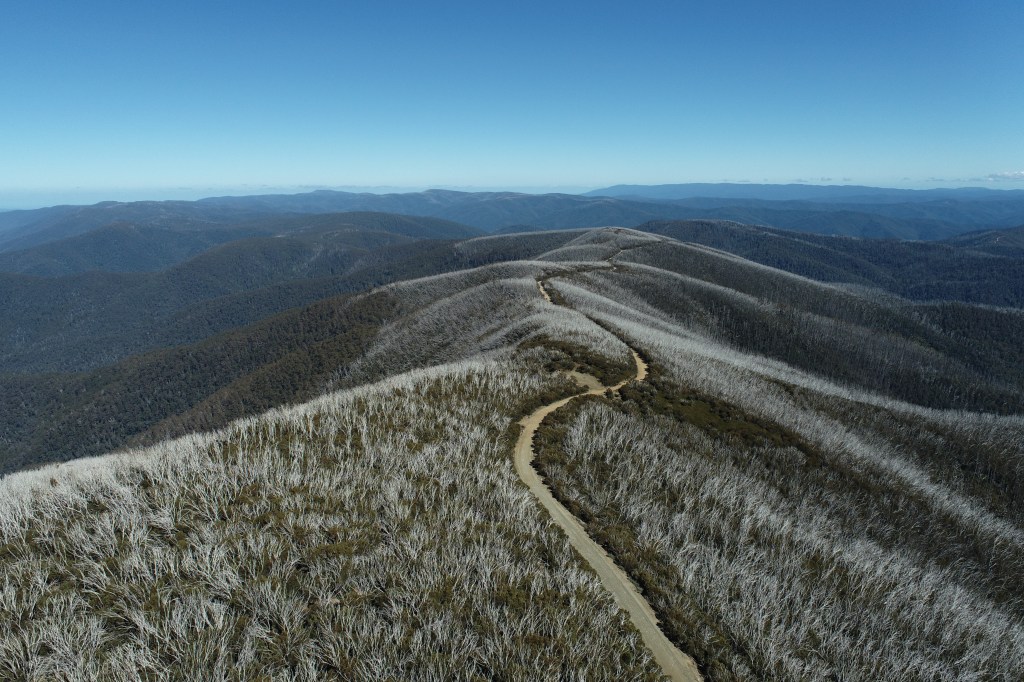
More in the fieldwork gallery.

